How to choose a water softener for Phoenix hard water
Phoenix water runs 10-18 grains per gallon hard. Here's how to pick the right water softener for your home, what it costs in 2026, and where to install it.
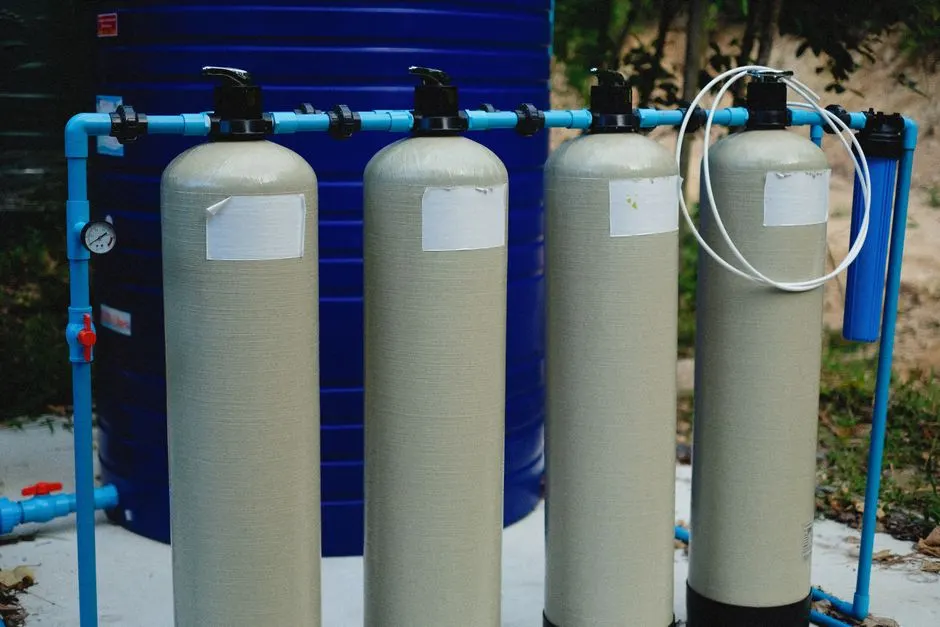
To choose a water softener for Phoenix hard water, match the system to your home's actual grains-per-gallon hardness, size the resin tank to your household's daily water use, and pick ion exchange over salt-free if you want to stop scale on fixtures and appliances. Phoenix tap water runs 10 to 18 grains per gallon depending on which of the city's wells and treatment plants supply your neighborhood, which puts it firmly in the "very hard" range. This guide walks through the numbers, the system types, 2026 pricing, and the installation details that actually matter in the Valley.
We install and service water softeners across Phoenix, and the questions we get are almost always the same: how hard is my water, what size do I need, and what should I pay. Here's the straight answer on all three.
Why Phoenix water is so hard
Phoenix water is hard because most of it starts as Colorado River water and groundwater that picks up calcium and magnesium as it moves through limestone and desert soil before it reaches your tap.
The city blends surface water from the Salt, Verde, and Colorado river systems with groundwater from wells across the Valley. That blend changes by season and by neighborhood, which is why hardness readings swing from about 10 grains per gallon in some parts of central Phoenix to 18 or higher in areas fed mostly by wells. The EPA doesn't regulate hardness, but the U.S. Geological Survey classifies anything above 10.5 gpg as "very hard." Phoenix clears that bar most of the year.
What that means inside your house: white crust on faucets within a week, cloudy film on shower glass, spots on dishes even after a rinse cycle, and a water heater that builds scale on its elements and loses efficiency. A gas water heater running on 15-grain water can accumulate several pounds of scale over its lifespan, and that scale is what shortens the tank's life.
If you're also noticing pressure drops or rusty water at the same fixtures, that's a separate issue from hardness - our team handles plumbing repairs Phoenix AZ for the pipes and fixtures themselves, and softeners for the water quality.
How do I choose a water softener for Phoenix hard water?
Choosing a water softener for Phoenix hard water comes down to four decisions: test your actual hardness, pick ion exchange over salt-free, size the unit to your household, and decide between a single-tank and twin-tank system.
Start with a real hardness test. Your city water report gives a range, but the number at your meter can be different - especially if you're on a well in the outer Valley or in a neighborhood with older galvanized lines. A drop-test kit costs about $15, or we'll test it on a service call. Write the number down in grains per gallon (gpg), not milligrams per liter. Divide mg/L by 17.1 to get gpg.
Then decide what you actually want the system to do. If your goal is softer water at every tap - no scale on the shower, longer appliance life, less soap - you want a whole-house ion exchange softener. If you only care about drinking water and you're willing to leave the rest of the house hard, a point-of-use reverse osmosis unit under the kitchen sink is cheaper and simpler. Most Phoenix homeowners with 12+ gpg water end up wanting the whole-house version.
Two more things to check before you buy: the unit's grain capacity (covered below) and whether it has a metered regeneration cycle. Timer-based units regenerate on a fixed schedule whether you've used the water or not, which wastes salt and water. Metered units regenerate based on actual gallons used. In a city where water bills climb every summer, that difference shows up on your bill.
Ion exchange vs. salt-free: which works in Phoenix?
Ion exchange actually removes calcium and magnesium from the water. Salt-free conditioners don't - they change how the minerals behave so they're less likely to stick to pipes and fixtures.
That distinction matters more in Phoenix than almost anywhere else. At 15 gpg, a salt-free conditioner will reduce visible spotting on dishes and may slow scale buildup in your water heater, but it will not give you the slippery, soft feel in the shower that people associate with softened water. It also won't reduce the soap you need in the laundry. If you've used a traditional softener before and you're expecting that result, salt-free will disappoint you.
Salt-free units do have real advantages: no salt to buy or haul, no brine discharge, no drain line needed, and nothing to regenerate. They're a reasonable pick for a condo, a rental where you can't modify plumbing, or a household that just wants to cut spotting without managing salt. For a single-family home in Phoenix with 12-18 gpg water and a family of four, ion exchange is the better long-term buy.
One more option worth knowing: some homeowners pair a whole-house softener with a water filtration systems Phoenix AZ setup to handle chlorine taste and sediment at the same time. Softeners don't remove chlorine or sediment, so if those are also on your list, plan for both.
What size water softener does your Phoenix home need?
Size a water softener by multiplying your household's daily water use by your water hardness, then adding a buffer for regeneration days.
The math is simple. The average person in Phoenix uses about 80 to 100 gallons of water per day indoors. A family of four uses roughly 350-400 gallons daily. Multiply that by your hardness in gpg - say 15 - and you get 5,250 to 6,000 grains of hardness to remove per day. Multiply by 7 days and you need a unit rated for about 37,000 to 42,000 grains per week.
In practice, that means:
- 1-2 people, 10 gpg: 24,000-32,000 grain unit
- 3-4 people, 12-15 gpg: 40,000-48,000 grain unit
- 5+ people or 15+ gpg: 64,000 grain unit or twin-tank system
Don't buy a bigger unit than you need just because it's on sale. An oversized softener sits with unused resin, and if it regenerates on a timer it wastes salt. An undersized unit regenerates constantly, which wears the resin and drives up your salt and water use. Match the unit to the calculation.
If your home has three or more bathrooms and you've noticed pressure drops when two showers run at once, the issue may be pipe sizing rather than the softener. We handle residential plumbing services Phoenix AZ for that side of the house, and we'll tell you honestly whether the softener is the right first fix.
What does a water softener cost in Phoenix AZ?
Typical 2026 pricing in the Phoenix area runs $1,200 to $3,500 installed for a whole-house ion exchange softener, depending on grain capacity, brand, and how much plumbing modification your home needs.
Here's how that breaks down:
- Unit only, 32,000-48,000 grain: $600-$1,500
- Installation labor: $400-$900
- Permit and loop modification (if needed): $100-$300
- Salt, first year: $80-$150
- Annual service or filter replacement: $100-$250
Salt-free conditioners run $800 to $2,000 installed. Point-of-use reverse osmosis under a sink runs $300 to $800 installed. Twin-tank systems, which regenerate continuously so you never run out of soft water, run $2,500 to $4,500.
Two cost traps to watch. First, some quotes exclude the permit or the drain line, and those show up later as add-ons. Second, a softener installed without a bypass valve means every future plumbing repair requires shutting off and draining the unit. Ask for a bypass on the quote. If you already have a softener that's leaking or not regenerating, water softener repair Phoenix AZ is usually $150 to $400 - cheaper than replacement unless the resin bed is exhausted.
Common mistakes when buying a water softener in Phoenix
The most common mistake is buying on grain capacity alone without testing actual hardness at the house. A unit sized for 10 gpg water will underperform in a 16 gpg neighborhood.
Other mistakes we see regularly:
- Skipping the bypass valve. Without one, every future repair means draining the softener.
- Installing outside or in an unshaded garage. Phoenix summer heat cooks resin and warps control heads. Install indoors or in a shaded, ventilated spot.
- Forgetting the drain. Regeneration discharges brine, and it needs a proper air gap and drain line to code. A softener without a legal drain is a code violation waiting to be found at resale.
- Buying salt-free and expecting soft water. It conditions, it doesn't soften. If you want the soft feel, buy ion exchange.
- Ignoring the water heater. If your heater is already scaled up, softening the incoming water slows new scale but doesn't remove what's there. Sometimes the right sequence is a heater flush first.
- No maintenance plan. Softeners need salt checks monthly, resin cleaning yearly, and a new brine tank float every few years. A unit that's never serviced fails around year 8 instead of year 15.
One more: don't buy from a door-to-door water test. The test is usually accurate, but the pricing and the pressure aren't. Get two or three local quotes and compare what's actually included.
When to call a professional
Call a licensed plumber when you need a softener installed, when an existing unit stops regenerating or starts leaking, or when you're not sure whether your problem is hardness or something else entirely.
We install softeners, run the drain to code, add the bypass, and test the water before and after so you can see the difference on a hardness strip. If your existing softener is using a bag of salt a week or leaving the water still hard, we'll diagnose whether it's the resin, the control head, or the brine tank before we recommend replacement. And if the real issue turns out to be a leak detection and repair Phoenix AZ problem behind a wall, we'll find that too. Call phoenix plumbing pro and we'll get your water where it should be.
Frequently Asked Questions
How do I choose a water softener for Phoenix hard water?
Test your actual hardness in grains per gallon, multiply by daily household water use, and buy an ion exchange unit sized to that number with a metered regeneration cycle. For most Phoenix homes at 12-18 gpg, that's a 40,000-48,000 grain unit.
How much does a water softener cost in Phoenix AZ?
Installed whole-house softeners run $1,200 to $3,500 in 2026, including the unit, labor, and a bypass valve. Salt-free conditioners run $800 to $2,000. Twin-tank systems run $2,500 to $4,500. Annual salt and service adds $150 to $400.
Do I need a water softener in Phoenix Arizona?
If your water tests above 7 gpg, yes - and Phoenix runs 10 to 18 gpg. You'll see less scale on fixtures, longer water heater life, and less soap use. Homes under 7 gpg can often skip it.
What is the best water softener brand in Phoenix AZ?
Brand matters less than sizing and installation. Fleck and Clack control heads hold up well in Phoenix heat, and units with metered regeneration outperform timer-based models. We size and install whatever fits your home rather than pushing one brand.
How long does a water softener last in Phoenix?
Ten to fifteen years with annual service. Phoenix heat and hard water shorten that - units installed in unshaded garages often fail around year 8. Resin replacement at year 8-10 costs less than a new unit.
Get help with Plumbing services in Phoenix
We install, repair, and service water softeners across Phoenix and the surrounding Valley, and we'll test your water before we quote so the system you get actually matches your hardness. Call phoenix plumbing pro at (602)533-0560 and we'll schedule a visit.