How to detect a hidden water leak in your home
Hidden water leaks in Phoenix homes waste thousands of gallons and cause costly damage. Learn the warning signs, detection steps, and when to call a pro.
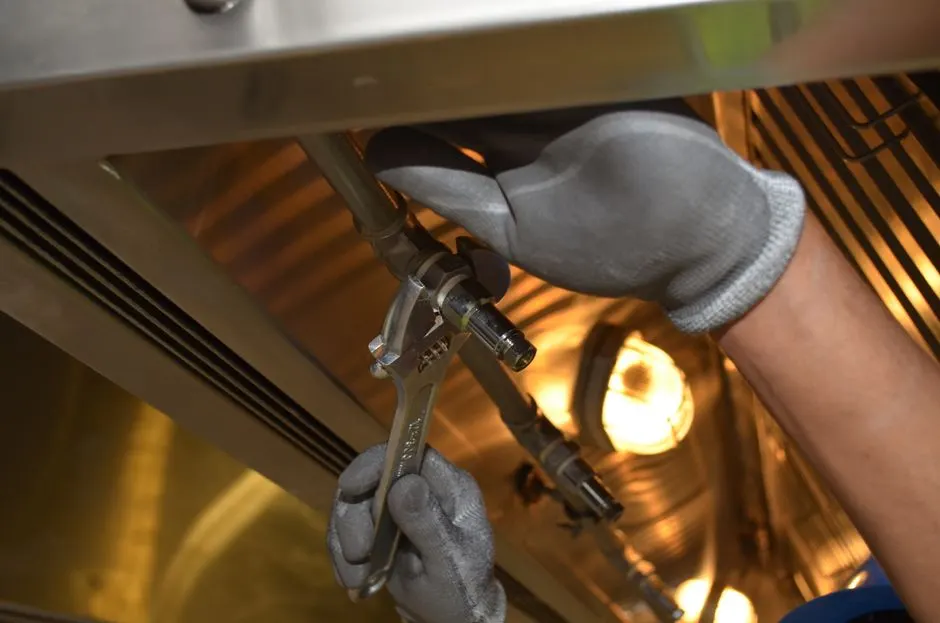
You can detect a hidden water leak in your Phoenix home by watching your water meter with every fixture off, checking for unexplained spikes in your bill, and looking for warm spots on the floor or the smell of damp drywall. If the meter's leak indicator spins with nothing running, you have a leak - and it is usually under the slab or inside a wall. This guide walks you through the exact steps we use on service calls, the signs that matter most in desert homes, and when it is time to bring in a pro.
What is a hidden water leak and why does it matter in Phoenix?
A hidden water leak is a plumbing failure that occurs behind walls, under floors, or beneath the concrete slab, where you cannot see the water escaping. In Phoenix, these leaks are especially destructive because our soil expands and contracts with extreme temperature swings, and the slab itself can shift just enough to stress copper and PEX lines. A pinhole leak the size of a pencil tip can waste more than 10,000 gallons a month - enough to add $80 to $150 to your water bill and quietly rot cabinetry, warp flooring, and feed mold colonies.
We have run leak calls in every corner of the Valley, from 1950s ranch homes near plumbing services in Central City to newer builds in Ahwatukee. The pattern is consistent: the longer a leak runs, the more expensive the fix. Catching it in week one is a repair. Catching it in month three is a restoration project.
Signs of a hidden water leak Phoenix AZ homeowners should never ignore
The signs of a hidden water leak Phoenix AZ residents report most often are not dramatic - they are small, persistent oddities that get explained away until the damage is obvious. Here are the ones that should get your attention immediately.
- Unexplained water bill spike. If your usage jumps 2,000 gallons or more with no change in habits, start hunting.
- Warm spots on the floor. A hot-water line leaking under the slab heats the concrete from below. Bare feet find it before eyes do.
- Sound of running water when everything is off. Put your ear to the floor near the water heater or main shutoff. A hiss or trickle means pressure is escaping somewhere.
- Musty smell or mold at the baseboard. In Phoenix's dry air, mold indoors almost always means a moisture source - and a leak is the usual suspect.
- Bubbling or peeling paint on walls and ceilings. Water travels along framing and shows up far from the actual leak.
- Cracks in the slab or tile. New cracks, especially ones that follow a straight line, can trace back to a slab leak eroding the soil beneath.
- Low water pressure at one fixture. A leak on a dedicated branch line steals pressure from that run.
If two or more of these show up together, stop guessing and start testing. A $15 water meter check takes five minutes and tells you whether you have a problem at all.
How do I detect a hidden water leak in Phoenix AZ?
You can detect a hidden water leak in Phoenix AZ with a four-step process that costs nothing but time: shut everything off, read the meter, listen, and isolate. Here is how we walk homeowners through it on the phone before we ever roll a truck.
- Shut off every water-using appliance. That means the dishwasher, washing machine, ice maker, water softener, pool auto-fill, and irrigation system. A running toilet counts - jiggle the handle and confirm it stops.
- Find your water meter and watch the leak indicator. It is the small triangle or gear on the face of the meter. If it is spinning with everything off, water is moving. If it is still, you either do not have a leak or it is on a line downstream of a closed valve.
- Listen at the lowest point in the house. Get down on the floor near the main shutoff or water heater. A steady hiss points toward a pressurized line leak. Silence points toward a drain leak, which only shows when water runs.
- Isolate the hot side. Shut off the valve on top of the water heater. If the meter stops spinning, the leak is on a hot-water line. If it keeps spinning, it is on the cold side or the main service line.
That last step saves real money. Knowing whether the leak is hot or cold tells us which line to pressure-test first, and it cuts diagnostic time on site. If you would rather skip the detective work, our leak detection and repair Phoenix AZ team carries acoustic listening gear and thermal cameras that pinpoint the leak within a few inches.
Slab leak detection Phoenix: why it's different
Slab leak detection Phoenix homeowners need is a different animal from a wall leak, because the pipe is buried under four to six inches of concrete and there is no access panel. You cannot see it, and you cannot reach it with a wrench. The good news is that slab leaks announce themselves with a specific set of clues.
Watch for warm flooring in a concentrated area, a water bill that climbs steadily month over month, and the sound of water moving when the house is silent. In homes built before 1990, copper lines under the slab are the usual culprit - our water is hard, and decades of mineral buildup pit the pipe from the inside out. Newer PEX systems can fail too, usually at a fitting where the line was stressed during installation.
We locate slab leaks with electronic amplification and infrared imaging, then confirm the exact spot before we cut anything. If the line is beyond patching, we handle slab leak repair Phoenix AZ with the least invasive method that will hold - sometimes a spot repair, sometimes a reroute through the attic. What we will not do is jackhammer a floor on a guess.
Water leak repair cost Phoenix AZ: what to expect in 2026
Water leak repair cost Phoenix AZ homeowners pay in 2026 runs from about $250 for an accessible fixture leak to $2,500 or more for a slab leak that requires rerouting. The number depends almost entirely on where the leak is and how easy it is to reach.
- Visible supply line or fixture leak: $150-$400
- Leak inside a wall (with drywall access): $400-$900
- Slab leak detection and spot repair: $800-$2,000
- Slab leak reroute through attic: $1,800-$4,500
- Main water service line replacement: $2,000-$5,500
Detection alone - the acoustic and thermal work that tells us where to cut - usually runs $150 to $350 and is credited toward the repair when you hire us for the fix. We quote the full job before we start, and the price does not move unless we find something genuinely different once we open the wall or floor. If your leak turns out to be a failing pipe run rather than a single bad spot, we will walk you through pipe repair and replacement Phoenix AZ options so you can decide between a patch and a permanent fix.
Common mistakes when hunting a hidden leak
The biggest mistake we see is homeowners waiting for visible water before they act. By the time a ceiling stains or a floor buckles, the leak has been running for weeks. Here are the other missteps that cost people money.
- Trusting a drop in the water bill as proof the leak stopped. Seasonal usage changes mask leaks. Compare the same month year over year, not last month.
- Assuming a running toilet is not a leak. A flapper that fails to seal can waste 200 gallons a day and look like nothing.
- Cutting into drywall or slab before locating the leak. Opening the wrong spot doubles the repair cost and the mess.
- Ignoring the pool auto-fill and irrigation. Those lines leak too, and they are on the same meter.
- Using a pressure test on a system that still has water in it. You cannot pressurize a line that is already full - the reading tells you nothing.
One more: do not assume a leak is the city's problem because it is near the meter. Everything past the meter is yours, including the service line running under your yard.
When to call a professional
Call a professional the moment your meter spins with everything off, or the day you find warm flooring or a musty smell you cannot explain. Those three signs point to a pressurized leak that will not fix itself and will get more expensive every day it runs.
Our team at phoenix plumbing pro handles the full job: we locate the leak, repair it, and pressure-test the line before we leave. No guesswork, no repeat visits. We work on slab leaks, wall leaks, main service lines, and everything in between, and we serve the whole Valley with same-day appointments when you call before noon. If you are also dealing with slow drains or a water heater that is on its last leg, we can look at those on the same visit - most of our customers find it is cheaper to handle related issues together than to book two trips.
Frequently Asked Questions
How do I detect a hidden water leak in Phoenix AZ?
Shut off every water-using appliance, then watch your water meter's leak indicator. If it spins with everything off, you have a leak. Isolate hot from cold by closing the valve above the water heater - if the meter stops, the leak is on a hot line. A $15 meter check takes five minutes.
What are signs of a hidden water leak in Phoenix Arizona?
The most reliable signs are a water bill that jumps 2,000 gallons or more, warm spots on the floor, the sound of running water when the house is silent, and musty odors or mold at baseboards. In slab homes, new cracks in tile or concrete often trace back to a leak eroding soil beneath the slab.
How much does leak detection cost in Phoenix?
Professional leak detection in Phoenix runs $150 to $350 in 2026, depending on whether it is a wall leak or a slab leak. Acoustic listening and thermal imaging are included. Most companies, including ours, credit the detection fee toward the repair when you hire them for the fix.
Can a hidden leak cause mold in Phoenix AZ?
Yes. Even in our dry climate, a slow leak behind a wall or under a cabinet keeps the surrounding material damp enough for mold to colonize within 48 to 72 hours. If you smell mustiness or see dark spotting at a baseboard, treat it as a leak until proven otherwise - mold cleanup alone can run $1,500 to $6,000.
How long does a slab leak repair take?
A spot repair on an accessible slab leak takes four to eight hours, including detection and pressure testing. A full reroute through the attic usually runs one to two days. We give you a firm timeline before we start and keep you updated if anything changes.
Get help with Plumbing services in Phoenix
If your meter is spinning and you cannot find the source, stop guessing. Our state-licensed plumbers locate hidden leaks fast and fix them right the first time. Call phoenix plumbing pro at (602)533-0560 for same-day leak detection and repair across Phoenix.