How to prevent frozen pipes in Phoenix winter
Phoenix pipes freeze more often than homeowners expect. Learn the temperatures that matter, which pipes are at risk, and how to winterize your plumbing before the first hard freeze.
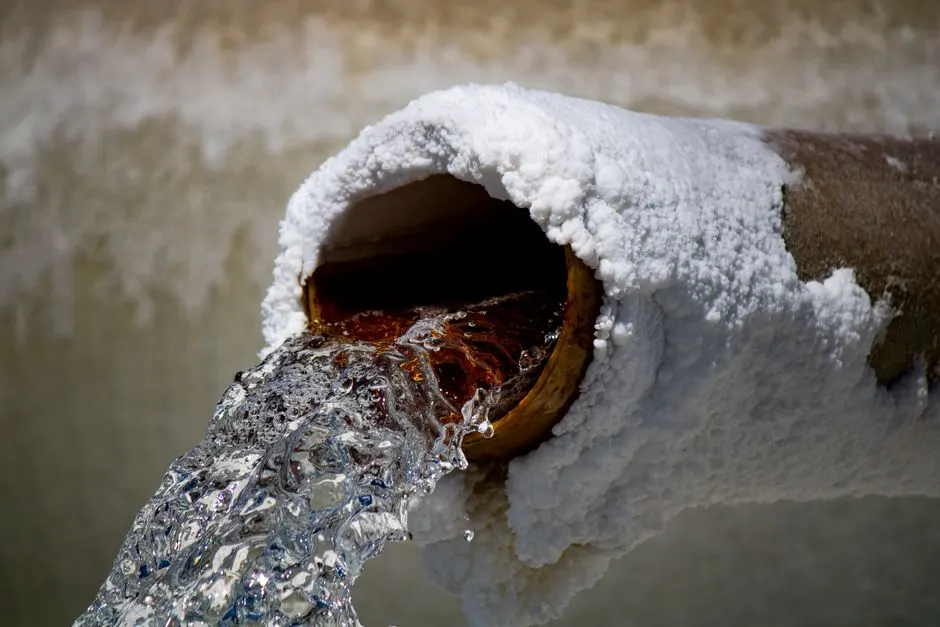
You prevent frozen pipes in Phoenix by insulating exposed pipes, sealing crawlspace vents, dripping faucets on hard-freeze nights, and disconnecting garden hoses before the first frost. Phoenix sits in USDA zone 9b, but overnight lows still drop into the 20s several times each winter, and that is cold enough to freeze the exposed copper and PEX lines running through your attic, garage, and exterior walls. This guide covers the temperatures that matter, the pipes most at risk in Valley homes, and the exact steps our technicians take to winterize plumbing before a freeze hits.
Why Phoenix pipes freeze when it barely gets cold
Phoenix pipes freeze because most of our plumbing runs through unconditioned attic space, exterior walls, and garages that drop to ambient temperature within hours of sunset. A house built for 110-degree summers is not built to hold heat in the walls. When the outside air hits 28 degrees at 3 a.m., the pipe in your attic is at 28 degrees too.
Prevent frozen pipes Phoenix AZ is not about surviving a Minnesota winter. It is about protecting plumbing that was never designed for even one hard freeze. The 2021 freeze in Texas and the repeated January freezes across the Valley since then proved that a single 12-hour cold snap can burst hundreds of homes in a metro area that assumes it will not happen here.
Copper is the worst offender. It conducts cold fast, and when water inside expands into ice, the pipe splits at the weakest joint. PEX flexes a little more, but the fittings still crack. Either way, you do not see the damage until the ice thaws and water starts pouring through your ceiling.
What temperature do pipes freeze in Phoenix Arizona?
Water in exposed Phoenix pipes begins to freeze when the surrounding air stays at or below 32 degrees Fahrenheit for about four to six hours. The pipe itself does not have to reach 32 - the water inside does, and moving water takes longer to freeze than still water.
That is why a 30-degree night with wind is more dangerous than a still 28-degree night. Wind strips heat off the pipe surface, and the water sitting in a horizontal run between two fittings has nowhere to move.
In practical terms, watch the forecast for these thresholds:
- 36 degrees or lower: disconnect hoses, cover exterior spigots.
- 32 degrees for 4+ hours: drip interior faucets on exterior walls.
- 28 degrees or lower: open cabinet doors under sinks, drip every faucet, and check the attic.
- 25 degrees or lower: this is burst-pipe territory in uninsulated Phoenix attics.
If you have ever dealt with a pipe repair Phoenix AZ call after a freeze, you already know the damage is usually at a joint or a 90-degree elbow, not the middle of a straight run.
Which pipes in your Phoenix home are most at risk
The pipes most likely to freeze in a Phoenix home are the ones running through your attic, along exterior north-facing walls, through the garage, and out to hose bibs and pool equipment. If you can see the pipe from inside an unconditioned space, it is on the list.
Ranked by how often we get called out:
- Attic supply lines. Almost every slab-on-grade Phoenix home has hot and cold lines running through the attic. They are the number one freeze victim.
- Exterior hose bibs and pool fill lines. A split hose bib floods the side yard and can wick into the stucco.
- Garage walls. The wall shared with the house is insulated, but the exterior garage wall usually is not.
- Kitchen and bathroom sinks on exterior walls. The stub-out is inside the wall cavity, which is only as warm as the room.
- Water heater lines in the garage. A cold snap plus a garage door left open equals a cracked fitting.
- Irrigation and pool plumbing. Backflow assemblies and above-ground pool lines crack first.
If your home was built before 1990, the odds are higher. Older Phoenix neighborhoods like those around Sunnyslope and central Phoenix have more exposed copper in the attic and less insulation in the walls than anything built in the last 20 years.
How to keep pipes from freezing Phoenix: 8 steps that work
How to keep pipes from freezing Phoenix comes down to three things: keep the pipe warm, keep the water moving, and keep the cold air out. The steps below are the same ones our technicians run through when we winterize a home.
1. Insulate every exposed pipe you can reach
Pipe insulation Phoenix homeowners can install themselves costs about $2 to $4 per six-foot section of foam tube at any hardware store. Wrap every attic line, every garage line, and every exterior stub-out. Pay attention to elbows and tees - that is where the foam gets skipped and where the pipe splits.
2. Seal attic and crawlspace vents on freeze nights
Most Phoenix attics have passive vents that pull in outside air. On a hard-freeze night, close them or block them with foam board. Just remember to reopen them the next warm day - attic ventilation matters in summer.
3. Disconnect hoses and cover hose bibs
A hose left connected traps water in the bib. Disconnect it, drain it, and screw on an insulated cover. This one step prevents more exterior freeze damage than anything else.
4. Drip the faucets on exterior walls
A pencil-thin stream from the kitchen and bathroom faucets keeps water moving through the wall cavity. Drip both hot and cold. The cost on your water bill is a few cents; a burst pipe repair is not.
5. Open cabinet doors under sinks
On exterior-wall sinks, open the cabinet doors so warm room air reaches the pipes. Do this before bed and leave them open until the temperature climbs above 40.
6. Keep the garage door closed
If your water heater or any supply line runs through the garage, keep the door down on freeze nights. A cracked water heater fitting is a common January call for our water heater repair Phoenix AZ team.
7. Winterize pool and irrigation lines
Drain above-ground pool equipment, blow out irrigation lines, and insulate the backflow assembly. If you are not sure how to do it, we handle backflow prevention Phoenix and can walk you through the shutdown.
8. Know where your main shutoff is
If a pipe bursts, the first thing you do is kill the water at the main. Find it now, tag it, and make sure everyone in the house knows where it is. That single minute saves thousands in water damage.
What to do if pipes freeze in Phoenix Arizona
If your pipes freeze in Phoenix, turn off the main water supply, open the nearest faucet, and warm the pipe slowly with a hair dryer or a space heater - never an open flame. Then call a plumber before you turn the water back on.
Here is the sequence we recommend:
- Shut off the main. This limits the flood if the pipe has already split.
- Open the closest faucet. It gives melting water somewhere to go and relieves pressure.
- Warm the pipe gradually. Start at the faucet end and work back toward the freeze. A hair dryer on low, a heating pad, or warm towels all work.
- Do not use a torch or heat gun. You will melt PEX, scorch framing, and start a fire.
- Watch for leaks after thaw. If you see water where it should not be, shut the main back off and call us.
If you cannot find the freeze point, or the pipe is inside a wall, do not start cutting drywall. That is when you call an emergency plumber Phoenix AZ and let us locate it with a thermal camera.
Common mistakes that lead to burst pipes
The most common mistake we see is assuming Phoenix is too warm to freeze. The second is insulating only the straight runs and leaving the fittings bare. The third is leaving the hose connected.
Other repeat offenders:
- Leaving the garage door open on a 28-degree night.
- Turning the heat off completely when you leave for a weekend trip.
- Dripping only the hot side, or only one faucet.
- Using a space heater inside a closed cabinet without ventilation.
- Forgetting the pool equipment and irrigation backflow.
- Waiting until the pipe bursts to shut off the main.
Burst pipe prevention Phoenix AZ is not complicated. It is just a checklist most people skip because they have never seen a freeze here. We have - repeatedly.
When to call a professional
Call a plumber when you cannot find the freeze point, when the pipe is inside a wall or under a slab, when you see water after thawing, or when the same line has frozen twice. Those are the cases where a DIY fix turns into a drywall and flooring project.
At phoenix plumbing pro, we handle frozen pipe repair Phoenix Arizona the same way every time: we find the break, fix the pipe, pressure-test the line, and check the rest of the system for weak spots before we leave. If you are not sure whether your attic lines are insulated well enough for the next cold snap, we will look and tell you straight.
We also see freeze damage show up as a hidden leak weeks later, which is why we run leak detection Phoenix AZ on any home that has had a freeze event. Catching it early is the difference between a $300 repair and a $3,000 one.
Frequently Asked Questions
How do I prevent frozen pipes in Phoenix AZ?
Insulate all exposed attic, garage, and exterior pipes, disconnect hoses, cover hose bibs, drip faucets on nights below 32 degrees, and open cabinet doors under exterior-wall sinks. Keep the garage door closed and know where your main shutoff is. These steps take about an hour and prevent most freeze damage.
What temperature do pipes freeze in Phoenix Arizona?
Water in exposed Phoenix pipes freezes when air stays at or below 32 degrees Fahrenheit for roughly four to six hours. Wind makes it worse. Below 28 degrees, uninsulated attic lines are at serious risk, and below 25 degrees, burst pipes are common in older homes.
What should I do if my pipes freeze in Phoenix?
Shut off the main water supply, open the nearest faucet, and warm the pipe slowly with a hair dryer or heating pad. Never use an open flame. Once water flows again, watch for leaks. If you cannot find the freeze point or see water, call a plumber before restoring pressure.
Do I need to winterize my plumbing in Phoenix AZ?
Yes. Even though Phoenix winters are mild, overnight lows drop into the 20s most years, and most Valley homes have plumbing in unconditioned attics and garages. A one-hour winterization in November prevents the burst-pipe repairs we see every January.
How much does frozen pipe repair cost in Phoenix?
Typical 2026 pricing in the Phoenix area runs $250 to $600 for a single accessible pipe repair, and $900 to $2,500 or more if the pipe is inside a wall or has caused water damage. Emergency after-hours calls add a premium. Insulation and winterization cost far less.
Get help with Plumbing services in Phoenix
If you want your plumbing checked before the next freeze, or you are dealing with a frozen or burst pipe right now, call phoenix plumbing pro at (602)533-0560. We serve homeowners across Phoenix and the surrounding Valley with same-day service and upfront pricing.